
What Is Occupational Therapy For Kids? Does My Child Need It?

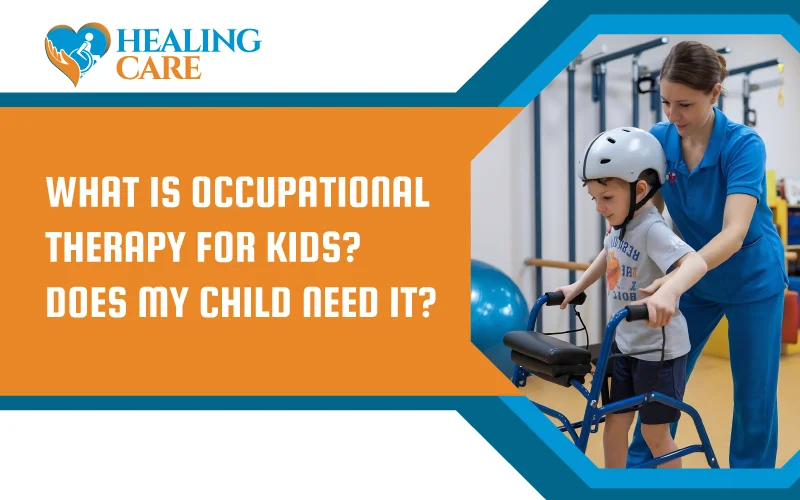
Occupational Therapy for Kids - Complete Guide Australia
Learning and growth happen differently for every child, at their own pace. When children struggle to reach their developmental milestones, and this impacts their basic life functioning, occupational therapy is commonly recommended as a beneficial intervention.
But the common questions parents often ask are: What is occupational therapy for kids? And does my kid child need occupational therapy? Knowing what does OT do? and how these services can enhance independence, confidence, and overall support development, which helps make the right decision.
In this article, we will discuss kids occupational therapy, its goals, common services, how it can benefit your child, and practical steps for parents to identify their child's needs and access professional support from reliable providers.
Understand the OT Medical Definition
Occupational therapy supports people of all ages in gaining the essential skills to live independently and engage meaningfully in communities. It addresses physical, cognitive, emotional, and developmental challenges, helping them regain independence and improve skill development.
Occupational therapists evaluate, address, and implement strategies to help individuals participate in daily activities conveniently. They provide services such as therapeutic exercises, skill-building activities, and environmental adjustments to enhance functional abilities, promote independence, and enrich quality of life.
Understanding Children's Occupational Therapy
Children's occupational therapy, also known as Pediatric occupational therapy, helps children reach developmental milestones, manage sensory challenges, and develop skills like self-care, play, and self-regulation. It specifically serves children who face challenges in motor skills, sensory processing, cognition, and everyday tasks.
Occupational therapists help children develop skills in:
- Everyday self-care skills (dressing, toileting, feeding).
- Fine and gross motor skill development (grasping, buttoning clothes, climbing).
- Managing sensory processing difficulties (coping with sounds).
- Social, emotional, and play skill-building.
- Preparing for school (handwriting and concentration).
The Purpose of Occupational Therapy for Kids
The most frequently asked question by parents is, "What is the purpose of occupational therapy?" OT supports children in developing the abilities required to perform daily life tasks more easily and effectively. This includes:
- Strengthening independence and confidence in self-care.
- Assisting in learning and supporting academic readiness.
- Providing adapted equipment where needed.
- Developing motor skills and sensory processing.
- Encouraging community engagement to foster social skills.
Overall, occupational therapy aims to empower children to live independently, accomplish their goals, and engage fully in their everyday lives.
Primary Roles of an Occupational Therapist
Understanding occupational therapist roles and responsibilities allows parents to know what services their child will get. Key tasks include:
- Checking the kid's physical, developmental, and cognitive abilities.
- Designing personalized therapy plans for every child's unique needs.
- Working together with the kids' family, educators, or other healthcare professionals.
- Continuously monitoring the child's progress and revising therapy strategies accordingly.
- Teaching parents and caregivers the techniques to practice skills at home.
Occupational therapists may provide services in OT hospitals and OT healthcare or work in community-based or private practice services to deliver specialized occupational therapy services for children with diverse needs.
Common Pediatric Occupational Therapy Services
Children's occupational therapy is customized based on their specific developmental needs. Common pediatric occupational therapy services include:
- Sensory integration therapy: Helps children regulate sensory responses to touch, movement, and sound.
- Fine motor skill development: Equips children to handle daily life activities such as writing, using scissors, and buttoning clothes.
- Gross motor skill support: Helps children build physical confidence for running, jumping, and coordination.
- Cognitive and social skills training: Helps social and cognitive skill-building to enhance focus, problem-solving, and interaction.
- Preschool or daycare occupational therapy: Helps young children focus on learning and developing essential skills to prepare them for school.
Benefits of Occupational Therapy for Kids
Improved Fine Motor Abilities
It improves precision and strength in hand and small muscle movement, which helps perform everyday tasks such as handwriting and buttoning clothes.
Better Visual-Motor Coordination
It enhances the coordination between hand and eye movement, both for visual focus and physical actions, and helps in activities like sports, drawing, and classroom tasks.
Supports Classroom Readiness
It helps children develop skills needed for academic learning, participation, and classroom success, essential for everyday school-related tasks.
Enhances Independence and Self-confidence
It builds functional independence and fosters a sense of accomplishment through skill development, resulting in enhanced self-confidence and assurance. It helps children feel more capable.
Develops Independence in Basic Life Skills
It helps children develop independence and mastery in performing basic and essential living tasks, which supports self-care and enhances functional independence. The children can perform basic living tasks such as bathing, dressing, and feeding easily.
Most Recognized Occupational Therapy Providers in Perth
Finding the right and most reliable therapy provider is crucial to help the children develop essential life skills, making a significant difference in growth and independence. These providers offer services ranging from sensory and motor skill development to social and school readiness support. Here's a list of some of the most recognised and trusted occupational therapy providers in Perth:
1. Ability WA
It is a not-for-profit disability service provider that provides occupational therapy services, skill-building exercises, and community participation programs to individuals of all ages. It helps individuals strengthen the abilities that support autonomy and effective participation in meaningful daily activities.
2. Activ Foundation
It provides mobile occupational therapy to individuals of all ages, including children, seniors, and those with mental and physical disabilities. They specialise in promoting independent living, improving community participation, and providing personalized support under the NDIS framework.
3. Reach Therapy WA
It offers occupational therapy and allied health services to both children and teens. Emphasizing gross motor, fine motor, and emotional skill regulation. Their offerings include individual assessment training for independent living, home modifications, and sensory-based intervention to boost day-to-day functioning.
4. Flare Therapy
Delivering occupational therapy on the go in Perth, it supports kids, teens, and young adults. Their services focus on providing evidence-based, NDIS-compliant care, with support in daily living skills, emotional regulation, and handwriting. They can deliver sessions at home, school, and in the community, all depending on the individual's convenience.
5. Instant OT
It offers mobile paediatric occupational therapy across homes, schools, and communities in Perth. They focus on fostering children's growth, covering fine, gross, and motor abilities, sensory regulation, emotional management, and independent self-care.
Frequently Asked Questions
Occupational therapist vs physical therapist: What's the difference?
An Occupational Therapist (OT) is the one who helps children develop the skills needed to effectively perform everyday tasks and engage in meaningful activities (e.g, holding a pencil, performing in the classroom).
A Physical Therapist (PT) is the one who helps children improve their physical functioning, strength, and mobility (e.g, walking, improving physical balance).
What is an occupational therapist's salary in Perth?
Salary Breakdown – Average Figures:
- Entry-Level/ Graduate: $75,000 to $85,000 per year.
- Mid-Career/ Average Salary: $95,000 to $110,000 per year.
- Senior/Experienced Therapist: $110,000 to $160,000+ per year.
What can OT help with?
- Sensory processing disorders
- Delays in developmental milestones
- Fine and gross motor skill difficulties
- Autism spectrum disorder (ASD) needs
- ADHD and concentration difficulties
- Mobility limitation due to physical injuries or medical conditions
What are the signs that indicate if my child needs occupational therapy?
- Difficulty in completing basic self-care tasks
- Problems with balance, coordination, and movement
- Limited social engagement and trouble in forming friendships
- Struggles with handwriting and other academic skills
- Overreaction or underreaction to sensory input
What traits should I consider when choosing the right occupational therapist for my child?
When choosing the right and most suitable occupational therapist for your child, look for these essential traits:
- Licensed and trained with OT expertise
- Empathetic, patient, and understanding
- Provides the child with a motivating and comfortable environment
- Uses evidence-based techniques
- Designs individualised therapy plans
- Collaborates effectively with parents or guardians
What is the average time duration of pediatric occupational therapy?
Usually, occupational therapy can be scheduled once or twice a week, but the number of sessions depends on the individual's complex situation.
Wrap Up: What Does Occupational Therapy Do for Kids
Occupational therapy for kids plays a crucial role in equipping them with the abilities needed for independence, academic achievement, and full engagement in everyday activities. By enhancing fine and gross motor skills, sensory integration, social skills, and self-care abilities, OT supports children in navigating developmental obstacles while boosting self-confidence.
By working alongside skilled and compassionate occupational therapists, parents can secure individualized care that enhances their child's growth, self-reliance, and overall well-being. Reputable providers offer specialized programs to meet each child's unique needs, helping them succeed in daily life.
Ultimately, occupational therapy is more than just a therapy; it is a pathway that helps children gain independence, master essential skills, and develop a stronger sense of confidence.